
New firing methods
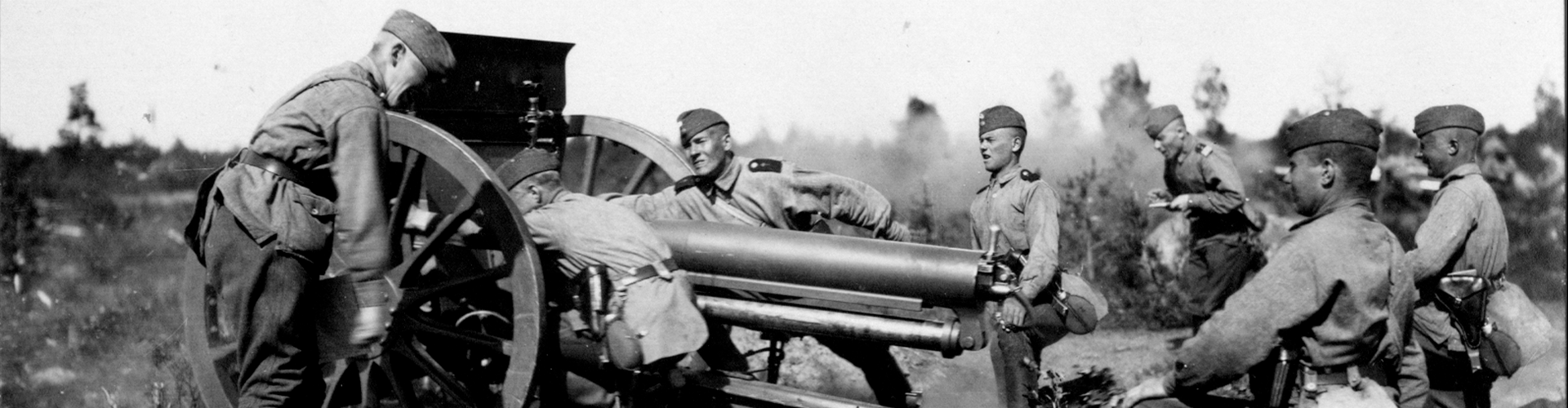
In the 1920s, field artillery firing methods were radically changed under the leadership of Colonel Vilho Nenonen, who returned as artillery inspector in 1920. The aim was an artillery that could support the infantry in Finnish conditions without the need for search fire and without proper maps if necessary. This required the observer to work alongside the infantry, wireless communication of fire commands and accurate preparation for firing with various measurements.
Developing fire control and observing
During the first Perkjärvi artillery camps, the fire was directed at the target using the Russian sine method, which was introduced in Finland in 1919. Using the sine method, the direction of fire was calculated in a triangle of fire battery-targer-observing position trigonometrically as a shift correction to the direction of aim. The sine method was accurate only when the firing position was not far from the line between the battery and the target. The use of this method required good mental calculation skills on the part of the observer, as all calculations had to be made under battlefield conditions.
The simultaneous firing of several batteries on the same target required that the position of the target in relation to the different firing positions could be quickly and accurately determined. This was solved by the introduction of a rectangular map coordinate system, which enabled the observer to determine the range and direction of fire for a firing unit. The calculation of fire values was moved from numerical tables to graphical tables. This speeded up the execution of firing tasks at the firing position and also reduced calculation errors.
The basic idea behind the use of the fire control card was to make the hits stay on the sighting line between the observing position and the target during the search fire when making corrections to the firing range. Using the observers map, the observer calculated the sighting line on the fire control card and drew and calculated the distance and direction from the firing position to the observing position, the so-called ballistic position. This enabled the fire officer to convert the difference between the observing position and the target into a firing direction and to make the necessary lateral corrections for travel corrections.
From time to time, the observer would fire a few rounds with the fire unit at his disposal to establish his position and record his data on the fire control card. This speeded up firing, saved ammunition and also improved accuracy of fire.
Moving to correct fire with respect to the observing line allowed any fire unit to be used without having to know its firing position.
Communications between observer and the firing position were initially based entirely on telephone communications. With the advent of mobile fire control, wireless equipment was also required. In 1923, mobile radio communication was experimented with using heavy radio stations carried in wagons. It proved difficult to manufacture lighter radios. Nenonen eventually drew the wiring diagram for a single-tube radio himself and had the first mobile fire contro radios built. The design proved successful. However, the amount of radios in the artillery remained small.
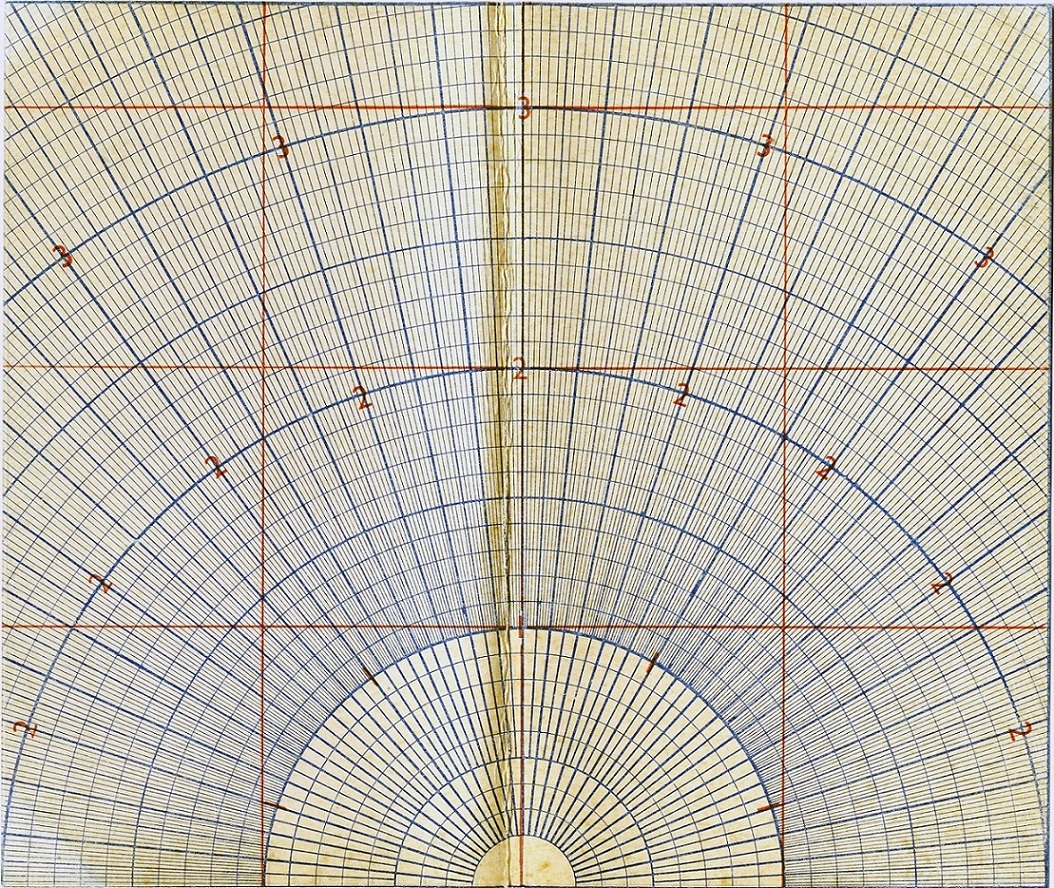
Fire control card
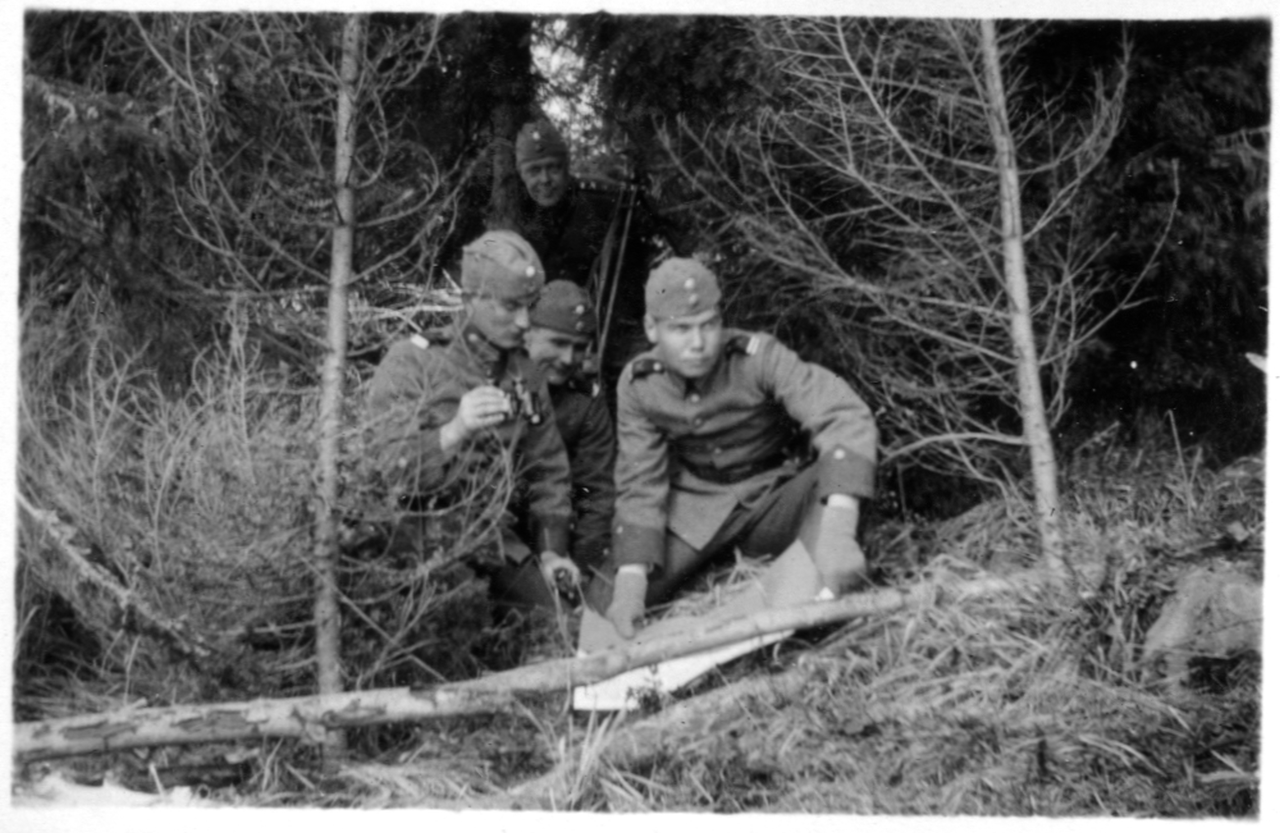
Observer squad in Perkjärvi.
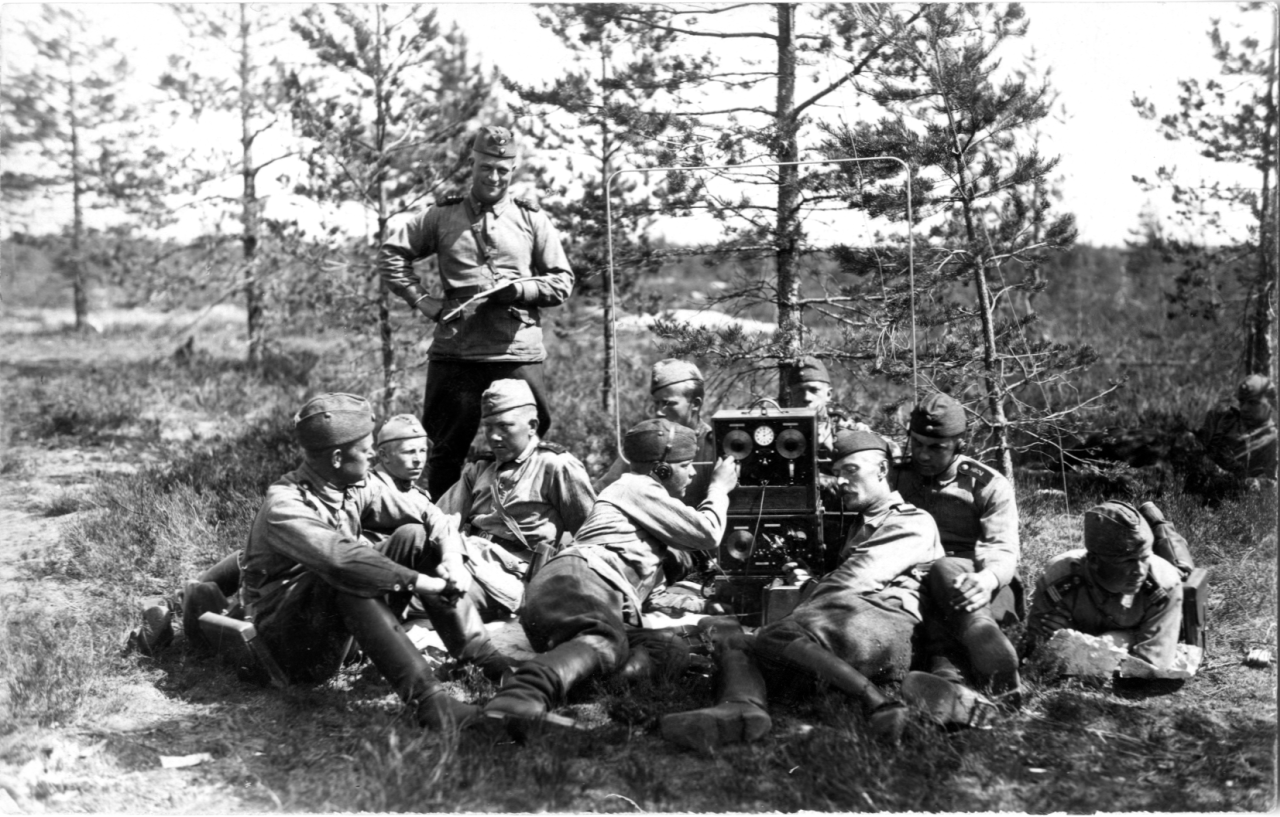
Artillery radio in Perkjärvi, late 1920s.
Complete preparation of firing
To use fire effectively and to avoid search fire, complete preparation for firing is required, including topographical, meteorological and ballistic preparation.
Topographic preparation involved determining the exact position, directions and distances from the firing unit to the target. Measuring sections were set up in the artillery corps to measure the positions of the firing positions and the observation position. By creating a uniform coordinates system, it was possible to operate without maps if necessary. Measuring instruments used were angle measuring devices, directional frames and measuring wires. Stereo rangefinders were purchased for the observers.
Meteorological preparation required accurate meteorological data such as wind direction and speed, temperature and barometric pressure. The first artillery weather station was used during the summer 1923 firing camp. The following year, the Military Meteorological Weather Station was established in Viipuri, which was also responsible for the training of military meteorologists.
Ballistic preparation took into account the differences between artillery and ammunition and calculated firing tables for different artillery and ammunition. To compile theoretical trajectory tables, or ballistic tables, mathematically gifted conscript officer aspirants were assigned annually to the artillery inspector's staff to do the calculations.
The preparation of firing in the batteries was the task of the battery officer and the calculators. The topographical features were transferred to the battery level as a map. The firing tables were graphic. Based on the weather reports and ballistic preparation data, the firing values of the guns were calculated.
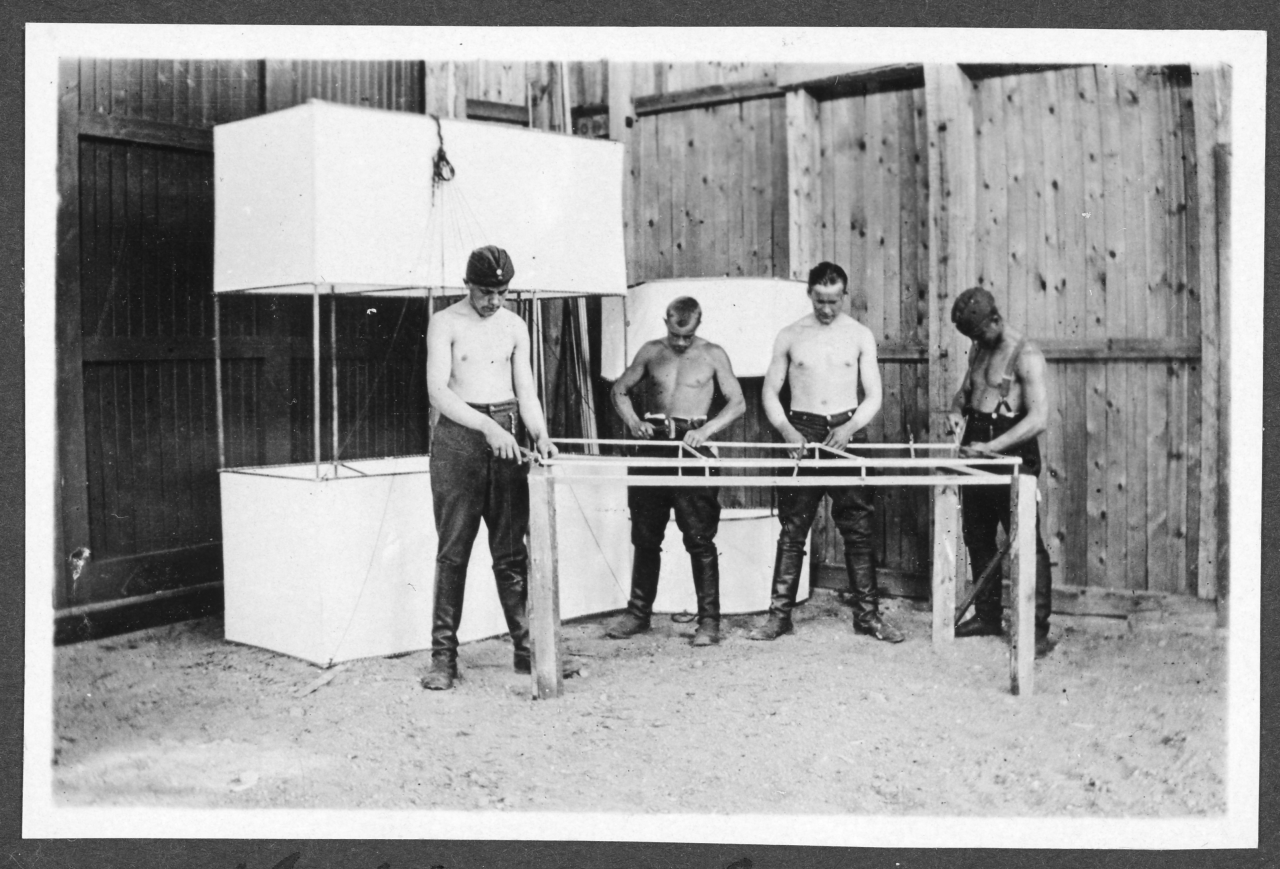
Weather information was an important part of the complete preparation for the shoot. A mechanical meteorograph measuring air pressure and temperature was attached to the kite and raised to the desired height to take the measurement.
Firing units and fire operations
In order to achieve efficient use of fire, the basic artillery fire unit was changed from battery to an artillery battalion from 1923 on. Divided into three batteries, the battalion consisted of 12 guns. The batteries had two two-gun sections. The new fire unit required centralised management. The battalion officer in charge of this task was in charge of fire operations and was also responsible for reconnaissance of the firing positions and the management of movement and ammunition supply. The use of the battalion as a fire unit also affected communications. Previously, batteries had established a direct link to the observation position. Now battalion firing position and observation centres were introduced.
Different forms of fire were studied at the Perkjärvi firing camps. The engineers built fortifications in the firing range, on which the effect of the firing patterns was tested. A minute's fire density over an area of one hectare was found to be the greatest and most effective, and in 1924 the duration of a battery's fire concentration, or fire attack, was set at 60 seconds. It was also possible to fire a 30-second burst of semi-concentrated fire. The first rounds of all the guns had to hit the target at exactly the same moment and the fire had to stop at the same time. This required the use of chronometres and accurate firing rhytms.