
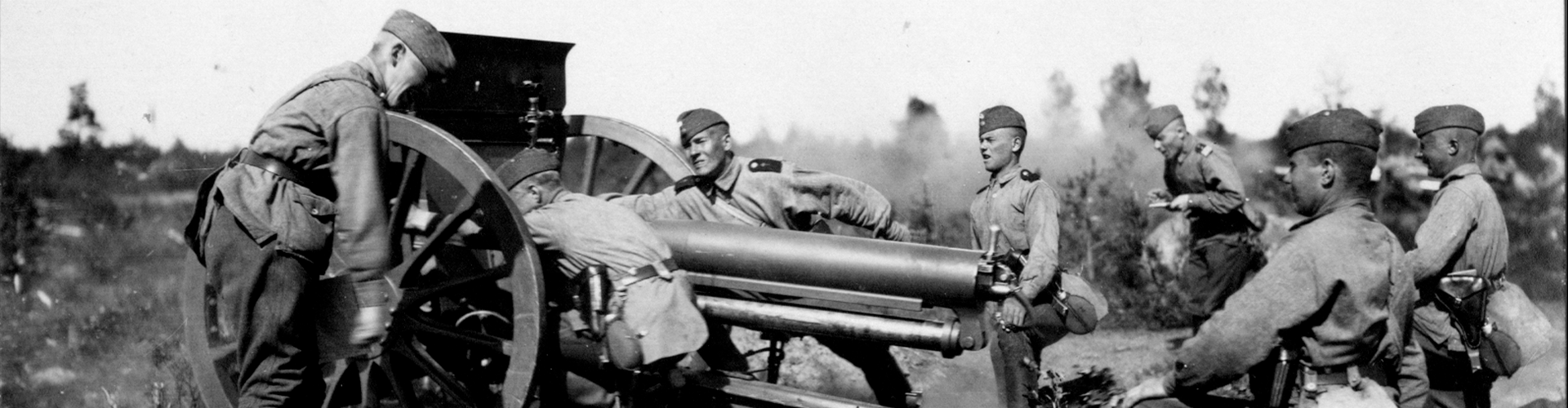
Sound ranging
Part of measuring intelligence
Measuring intelligence in brief
Measuring intelligence is a type of intelligence which's main task is to determine the quantity, location and quality of the enemy's indirect fire weapons. Measuring reconnaissance is carried out by means of sound, light and radar measurements.
Principle of sound measurement
When firing a cannon, there is a muzzle blast in the mouth of the barrel. From the muzzle blast, a shock wave, a sound wave, spreads in all directions in the shape of a ball. Along the surface of the ground, where all the observations of the measuring battery are made, the sound waves propagate in ever-widening circles. The sound measurement is based on the steady propagation speed of these sound waves (331 m/s on average). The sound wave arrives at different times to the measurement stations depending on their location. The microphones at the sound measurement stations transmit the time of arrival of the sound over the telephone line to the central station, where the time of arrival is recorded on a paper strip. The time differences between the arrival times of the sound are determined from the strip, which is used to determine the coordinates of the origin of the sound.
The time required to group the sound measurement front is about 5 hours under favourable conditions and about 20 hours under unfavourable conditions. The measurement distance of the sounding is about 1,5 times the width of the measurement front. It takes 3-5 minutes to determine the coordinates of the origin of the sound. The range and accuracy of the measurement is significantly affected by the weather and the intensity of the fire activity. Winds of more than 10 m/s regardless of direction and headwinds of more than 5 m/s prevent sound measurements. An unfavourable atmospheric heat distribution will reduce the audibility and measurement range. In addition, heavy fire activity slows down and makes measurement difficult. Weather corrections are added to the time differences marked down by the central machine. The corrected time differences are used to determine the location of the weapon fired on the basis of the hyperbolic curves generated.
Sound measurement is established in the Finnish Field Artillery
After the end of the First World War, the French had continued their research in the fields of sound and light measurement. News of the new ideas reached Finland, and in 1925, Major Hugo Karsten, Doctor of Philosophy, was ordered by the General Staff to familiarise himself with the French instruments. Karsten was given the authority to acquire any sound measuring instruments he deemed appropriate. After Karsten returned to Finland and reported his impressions to the artillery inspector, Major General Vilho Nenonen, the purchases were made. France agreed to sell two sound measuring instruments of the T.M.16/T.M.18 model. The sales contract was signed and Finland started to wait for new instruments. However, delivery was delayed. It was not until 31 March 1926 that it was announced that the equipment was ready for delivery.
Under Finnish conditions, the French equipment proved to be a disappointment in terms of reliability and flexibility of operation. Perhaps this was due to the fact that the French instruments were used wartime products.
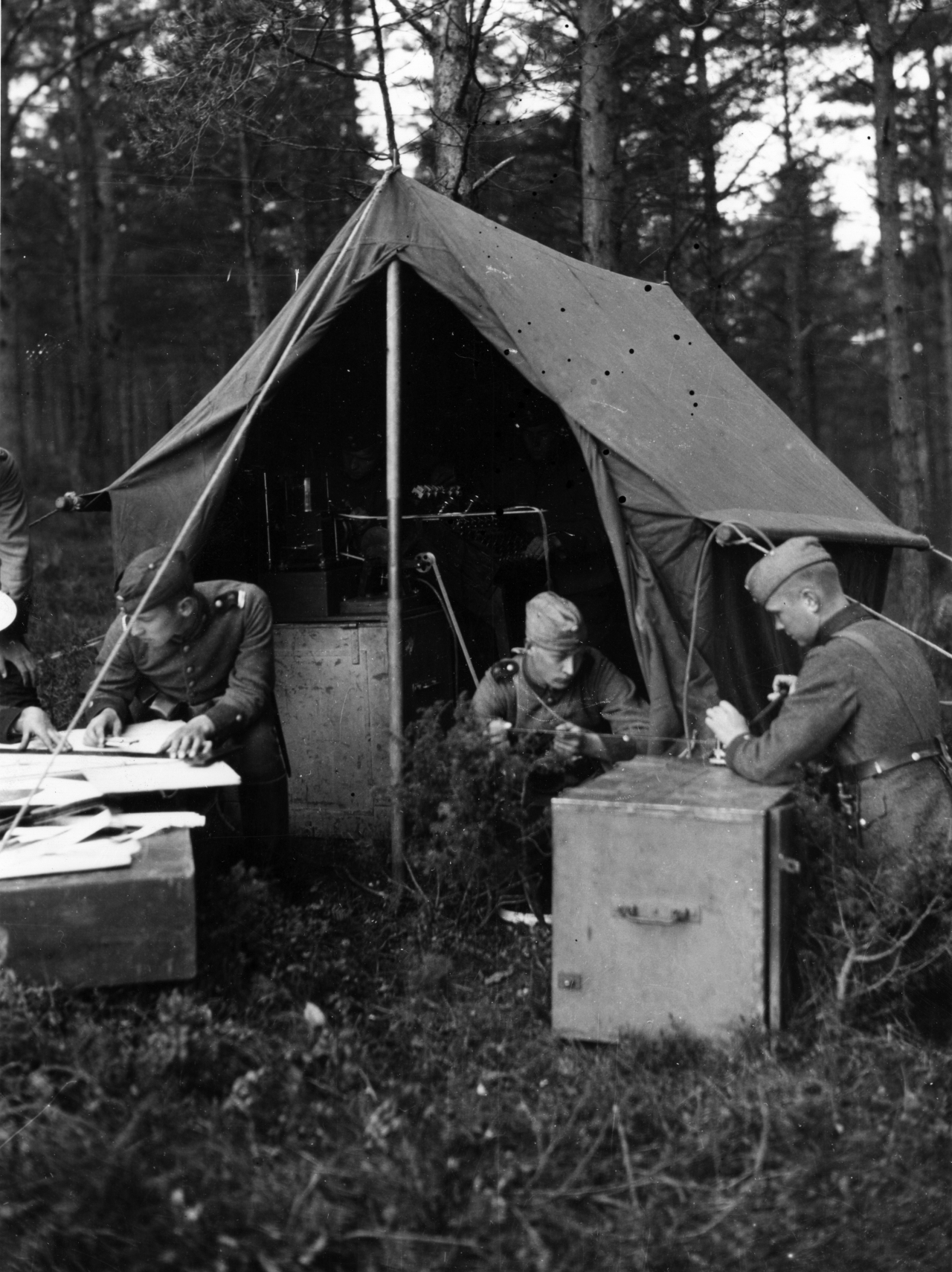
T.M. 16/T.M. 18 central machine
Lieutenant Colonel Hugo Karsten and Weapons Technician Emil Ijäs on the case
After initial interest, the development of sound measurement equipment for Finnish climatic and terrain conditions took a back seat as the development of aerial photography technology came to the fore in the field artillery. Between 1929 and 1933, the development of sound measuring instruments and measurement methods was mainly the concern of two men: Lieutenant Colonel Hugo Karsten and Lieutenant Emil Ijäs. Both were dissatisfied with the French equipment. They both wanted to have a domestic sound measuring device.
In the autumn of 1933, the Strömberg factory produced a test piece of domestic sound measurement equipment, the "Zerograf", with Karsten as its main designer. The equipment proved to be very functional in the trials, although it required a great deal of care in its operation. At the same time, Ijäs was immersed in the methods of sound measurement and calculation. The first major advance was the introduction of the hyperbolograph he designed in 1932. The following year saw the adoption of his sound propagation velocity tables. Around the same time, one of the German Siemens sound measurement systems was purchased for the artillery.
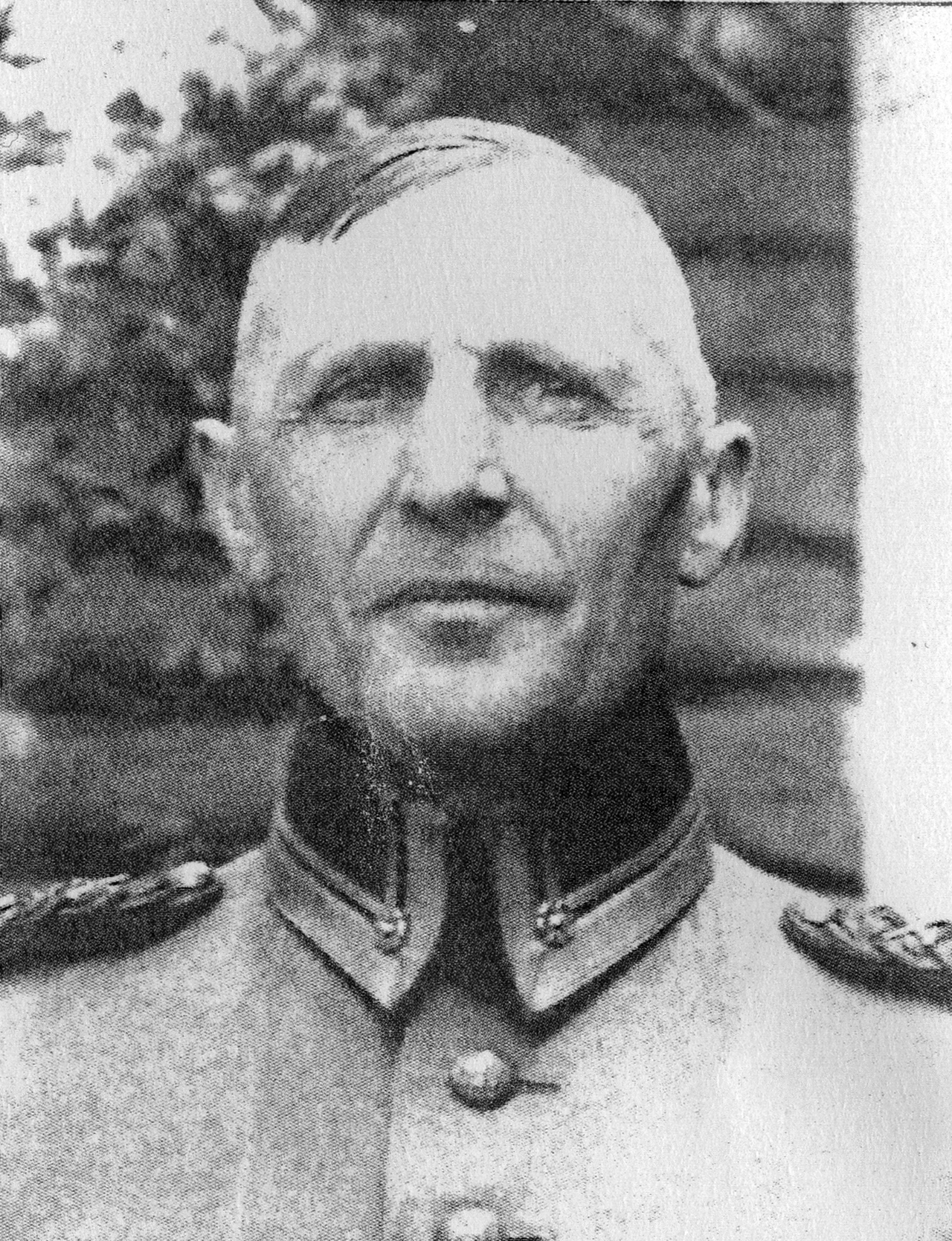
Hugo Karsten
Weapons Planning Commission
In 1934, an Artillery Commission, later renamed the Weapons Planning Commission, was set up to prepare the procurement of artillery and related matters. It was soon realised that the staff of the Planning Commission also needed to be supplemented by experts in sound and light measuring equipment. These were Major Jarl Edgren and weapons technician Emil Ijäs. In particular, the new sound measurement equipment and its requirements, as well as the procurement in this field, were explained. A request for tenders for the industrial production of a test piece designed by Lieutenant Colonel Karsten was addressed to the Pitäjänmäki factory of the Finnish Electricity Company Gottfried Strömberg. In January 1936, the Weapons Type Committee discussed the 'Zerograf' device. In February 1936, the committee accepted Strömberg's offer and ordered one 'Zerograf' in addition to the test piece. The instrument was completed in 1938.
Weapons Technician Ijäs continues
The Strömberg factory had produced a test piece of sound measurement equipment designed by weapons technician Ijäs, which was tested in the summer of 1939 at the Perkjärvi summer camp. In August 1939, Strömberg offered the Weapons Design Board two "Zerograf" instruments and two Ijäs instruments m/I-39. The artillery command carefully studied the results of the comparison between the Siemens, Zerograf and Ijäs m-39 in the summer of 1939. "Only the latter model has been considered suitable for us, but the ordering time for this equipment would be about 18 months...", it was stated in a letter signed by Lieutenant General Vilho Nenonen and Captain Nils Kramer and dated 22 September 1939 to the Chief of War Staff. In the same document, Nenonen proposes that Major Tuukkanen, Chief of the Measuring Battery, and Weapons Technician Ijäs be sent to Sweden to familiarise themselves with the equipment there. Two days later, the Ministry of Defence announced that two sound measuring instruments model Ijäs-39 would be ordered from Oy Strömberg. However, the war was not fought. The procurement of sound measurement equipment was not resumed until after the war. The Ijäs model remained unfinished, but not forgotten - the records of the Weapons Design Board reveal a talented and creative measurer.
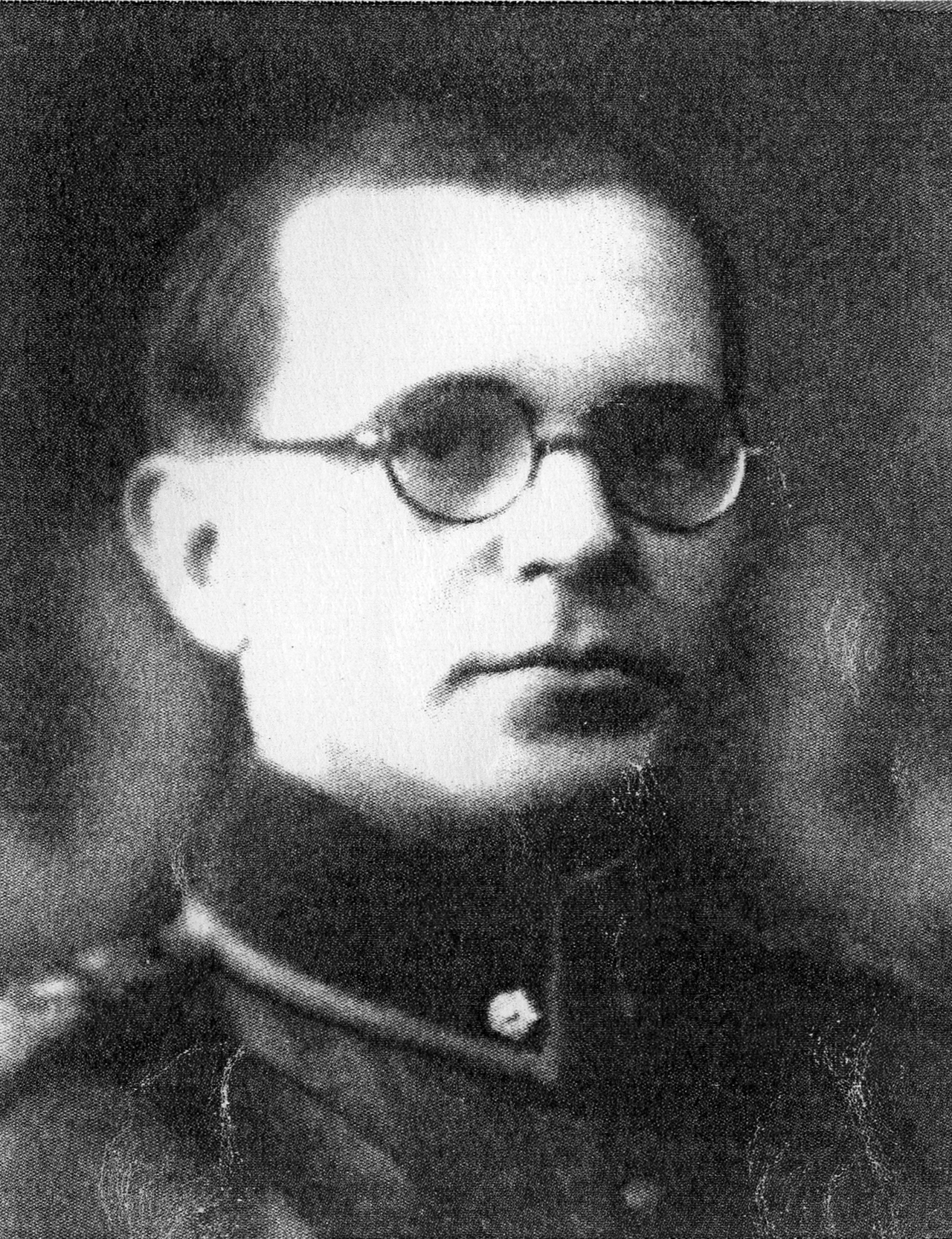
Emil Ijäs