Pigeon experiment
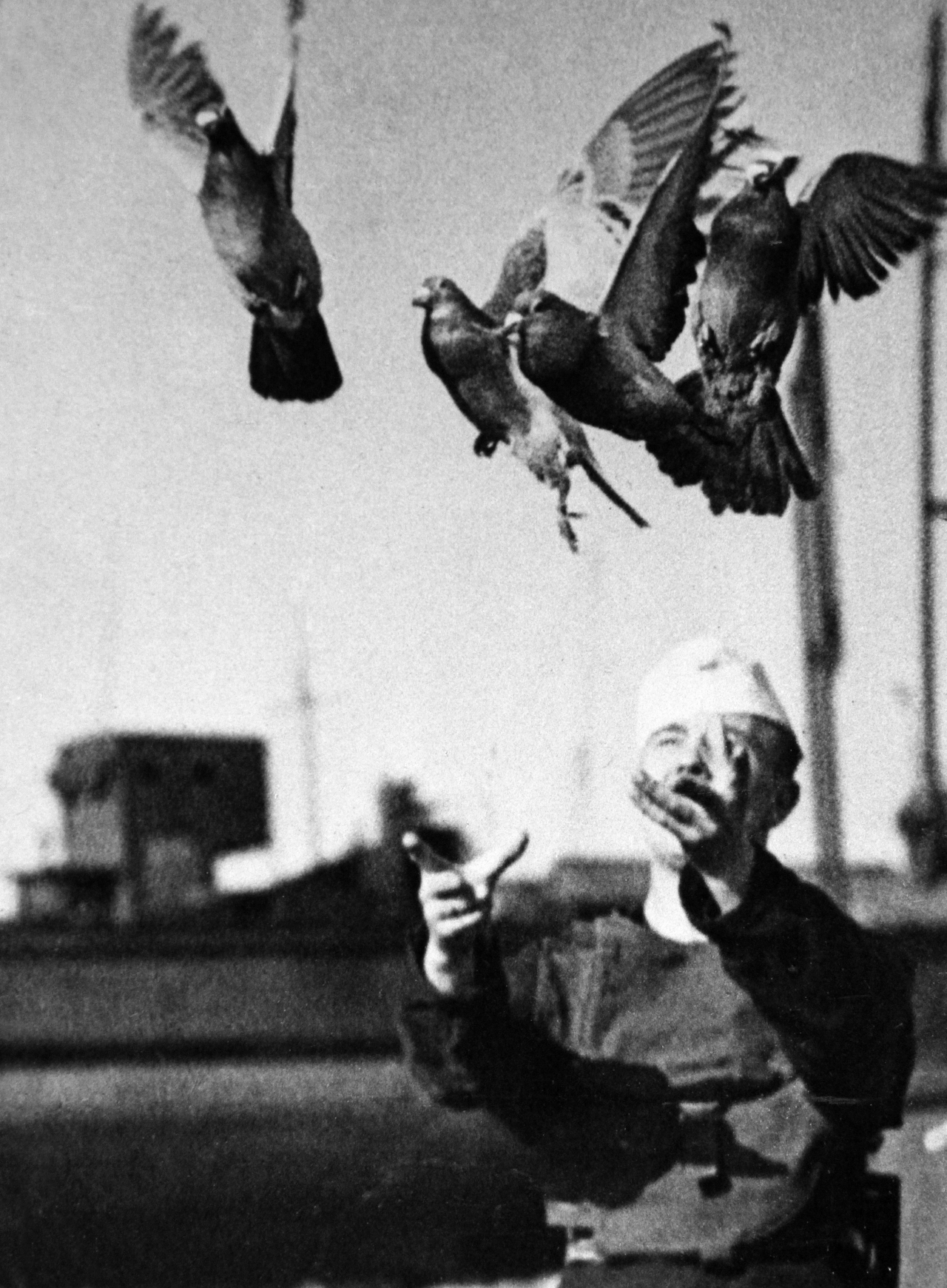
The ability of a released messenger pigeon to fly back to its own lacquer has been used for centuries to carry messages. In the military, the advantages of messenger pigeons were considered to be their speed and independence from the terrain. Pigeons can also carry small drawings and maps, for example, which could not otherwise be sent.
In total, nearly three million pigeons were used in military operations during the First World War. Although the wireless telegraph had almost completely replaced the pigeon by the early 20th century, it had to be used in the harsh conditions of war. Virtually all the warring parties were using pigeons by the end of the war.
In the early years of the Finnish independence, financial resources did not allow for large purchases of radios, which is why, alongside technological innovations, carrier pigeons were considered a realistic alternative for the development of communications.
In the absence of domestic experience, knowledge and skills in both pigeon handling and training were sought abroad. Lieutenant Colonel (later Lieutenant General) Unio Sarlin made a study trip to Morocco, where he observed that in addition to the telephone and telegraph, radios and pigeons were used for communication. Later, in the 1930s, Sarlin was a key figure in the development of pigeon operations as a technical inspector for the General Staff. Another of the key officers, Leo Ekberg, became familiar with pigeons in Denmark in 1923.
Finland received 40 carrier pigeons from Denmark as a donation at the end of October 1927. After a successful breeding in 1928, about 100 pigeons could already be transferred to new laquers elsewhere. The breeding in the following years was also successful, as about 140 offspring were born in Riihimäki in 1929.
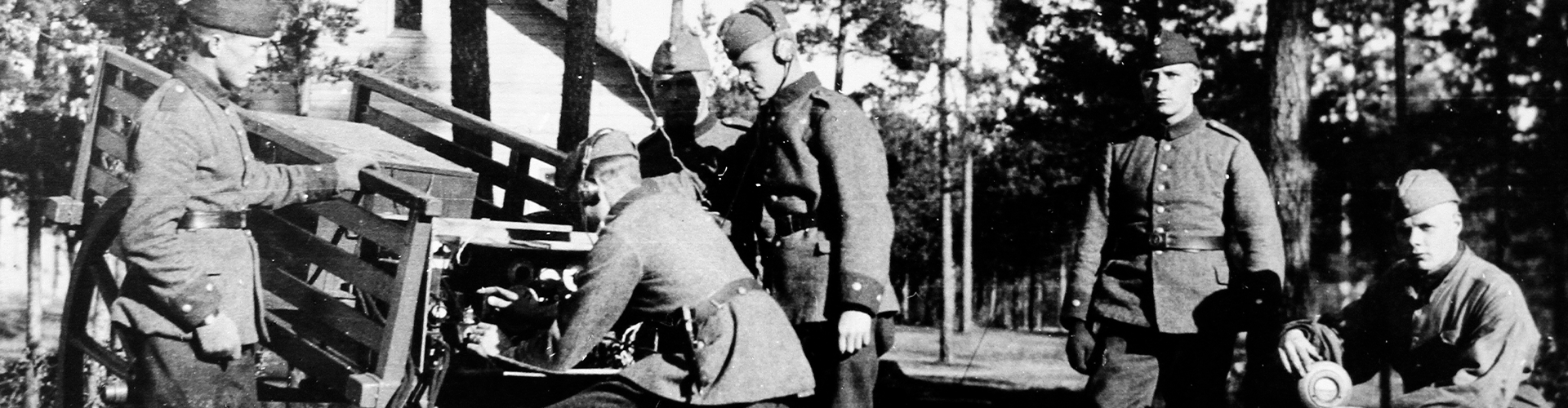
By the end of the 1930s, however, the pigeons were considered to have been overtaken by developments. Captain Veikko Saura's thesis on the communications sector estimated that the most important means of communication would be wired communication. However, Saura also noted that wireless devices are developing rapidly. As regards communication pigeons, the thesis only mentioned them as front-line communication devices, which could not be placed in the front line due to the rapid mobility of war.
By the outbreak of the Winter War, the signal pigeon had faded to the margins. Wired communications were the main communications network and the use of radios was increased as the equipment situation allowed.