
The Main Fronts and Major Battles

The Vilppula Front
The battles on the Vilppula Front were fought from January to March. The Reds aimed to advance to Haapamäki, which was a railway junction connecting Häme, Ostrobothnia and Central Finland. However, the White defence did not collapse. The only use of an artificial flood as a means of demolition during the Civil War was carried out at Vilppula, when the dam structures of Mäntänkoski rapids were opened. The floodwaters broke the ice on the waterways in the Vilppula area, preventing them from being crossed on foot.
The Mäntyharju Front
Mäntyharju was a transport hub between Savonia and Karelia, where a railway and two roads met. The Reds’ objective was to capture the Pieksämäki junction, which would have cut the Whites’ supply connection between Karelia and Ostrobothnia. However, the Red advance was halted south of Mäntyharju. They withdrew from their positions towards Kouvola on 3 May.
The Antrea Front
The Antrea Front was a total of 75 kilometres long, extending from Joutseno to the parish of Heinjoki. Military operations in the Antrea direction quickly turned into trench warfare-style fighting at the end of February. Armoured trains of both sides controlled the area between Kavantsaari and Hannila on the Karelian railway. The battles in the Antrea direction ended when the Whites launched their major offensive to capture Viipuri.
The Battle of Tampere
Tampere was the strongest stronghold of the Reds. On 15 March 1918, the White Army began military operations aimed at capturing Northern Häme and Tampere. The operations developed into the largest battle fought in the Nordic countries up to that point, ending with the surrender of Tampere on 6 April 1918.
The Red forces that had retreated into the city became surrounded after the Whites advanced in the east through Kangasala towards Lempäälä. Both sides had strong artillery forces in the Battle of Tampere, and approximately 5,000 shells were fired during the decisive days of the battle. In the early hours of 3 April, before the final White assault on the city, the artillery preparation was powerful considering the circumstances and played a significant role in the capture of the city.
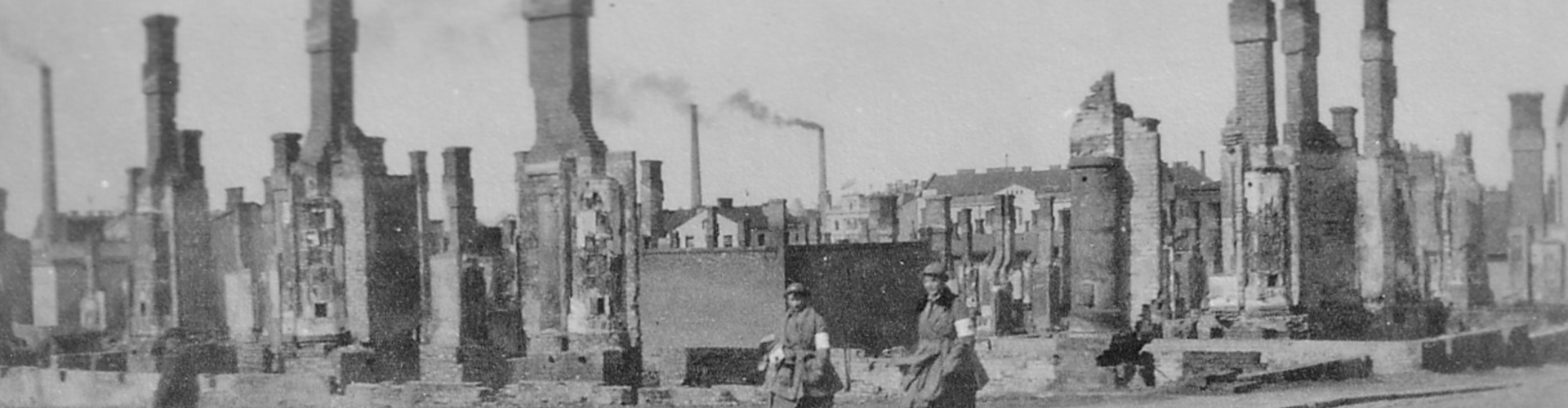
Approximately 1,500 Reds were killed in the fighting in Tampere and 11,000 were taken prisoner. In addition, approximately 300 Reds and several hundred Russians were executed. White losses amounted to 700–900 men killed. After the battles, Tampere was in many places a heavily ruined city due to artillery fire and street fighting.
The Capture of Viipuri
After the capture of Tampere and after German forces had landed at Hanko in early April, the Red forces retreated eastwards while fleeing. In Karelia, the White offensive towards Viipuri began on 19 April, and the city was soon surrounded from the south, east and north.
The surrounded Viipuri was heavily fortified, and the city’s artillery depot contained more than 300 guns. However, the Reds had artillerymen available for only 30 guns. Of the army artillery, the Whites had 23 guns participating in the capture of the city. The preparatory artillery fire of the attack was the first in Finland where artillery operated according to a unified and highly concentrated plan. However, the Reds had already partly withdrawn from the city, and after the artillery preparation the White infantry stormed into a city that was partly empty.
German Landing Operations
The German Baltic Sea Division (Die Ostsee-Division) landed at Hanko on 3 April 1918 and began advancing towards Helsinki, which it captured with the support of Finnish Whites in battles fought on 12–14 April. On 27 April, Whites advancing from the direction of Tampere and Germans arriving from the south met in Hämeenlinna. Another German detachment, Detachment Brandenstein, landed at Loviisa on 7 April and captured Lahti.
The End of the War
The last Red Guards laid down their arms on 5 May 1918. The victory parade of the White Army’s War of Liberation was held in Helsinki on 16 May. The Germans had captured the city a month earlier. With the victory parade, Commander-in-Chief Mannerheim wanted to demonstrate the importance of the domestic army in the outcome of the war. German soldiers did not participate in the parade.
Approximately 3,400 people on the White side and 5,100 on the Red side were killed in the battles of the Civil War. In addition, approximately 1,700 Reds disappeared. One third of the casualties were caused by the battles of Tampere. However, the greatest number of victims resulted from events outside military operations. Unnecessary violence occurred on both sides. Rumours of brutal acts of violence caused bitterness and a cycle of revenge.
After the war ended, approximately 80,000 Red prisoners were held in prison camps. State criminal courts processed charges against approximately 75,500 Reds. Most of those convicted received suspended prison sentences and were released, but death sentences were also imposed. Although the sentences were mostly lenient, the greatest losses among the Reds resulted from the poor conditions in the prison camps. 12,500 prisoners died of starvation and disease.
The events of 1918 claimed the lives of more than 36,000 Finns in total. Finland was independent but internally divided. Soon efforts were made towards a policy of reconciliation. By the end of 1918, Regent P. E. Svinhufvud pardoned Reds who had received sentences of less than six years, approximately 16,700 convicted persons. Death sentences were commuted to life imprisonment. At the same time, however, it was decided that no further prosecutions would be brought against Whites who had committed crimes during the war. K. J. Ståhlberg, elected as the first President of the Republic in 1919, continued the approval of amnesty laws. The scars of the Civil War nevertheless remained among Finns for a long time.
Red and White Terror
The Reds killed approximately 1,650 people belonging to the White side outside of combat. More than 1,200 of them were civilians. Red terror was at its most intense at the beginning and end of the war. When the uprising began, many people attempting to join the White side as well as captured members of the Civil Guards were killed. Towards the end of the war, killings were carried out especially just before a locality came under White control.
The Whites, in turn, executed at least 8,400 Reds, most of them in May. Immediate executions of surrendered Reds were carried out right after battles. Even verdicts from summary field courts were not always awaited. As on the opposing side, killings were also carried out based on personal revenge or simply party membership. Systematic executions ended on the order of Commander-in-Chief Mannerheim at the end of May. Exact numbers of executions cannot be given. For example, many among those listed as missing were also people who had been executed.